Evaluating Seamless Pattern Floral Watercolor 64 for Professional Design Projects
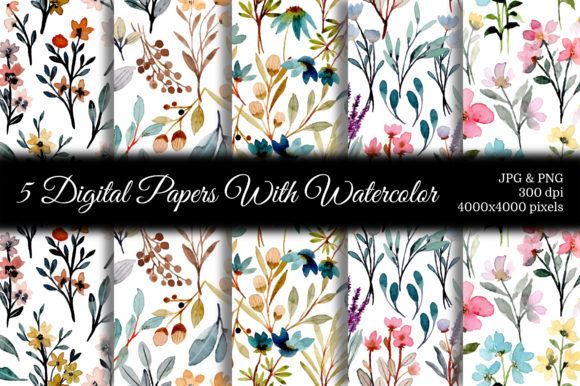
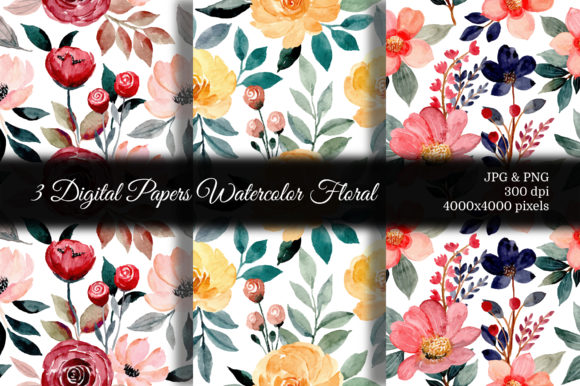
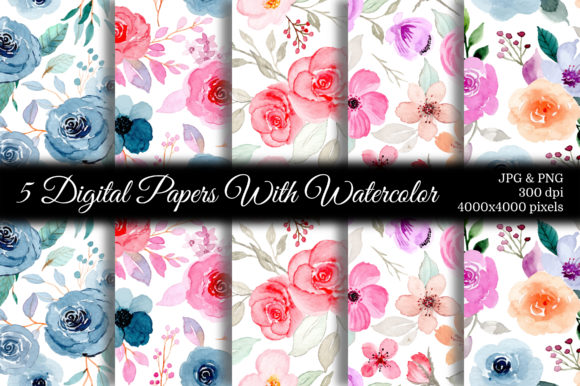
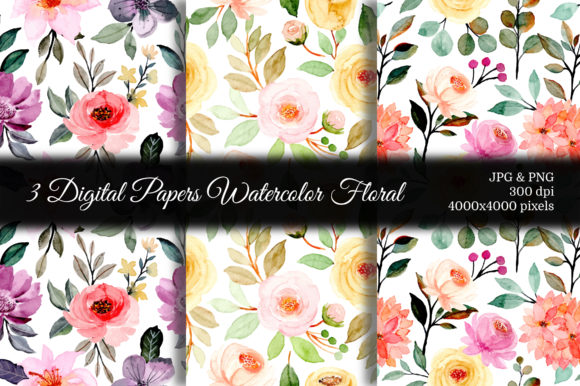
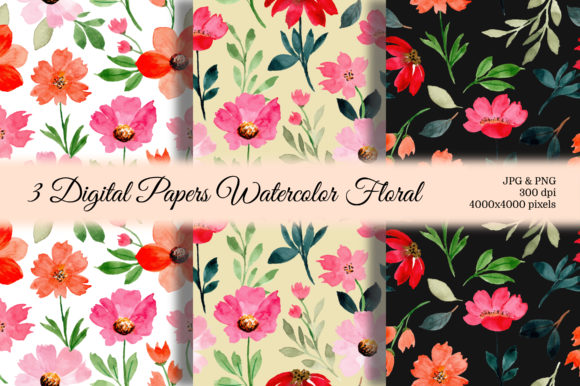
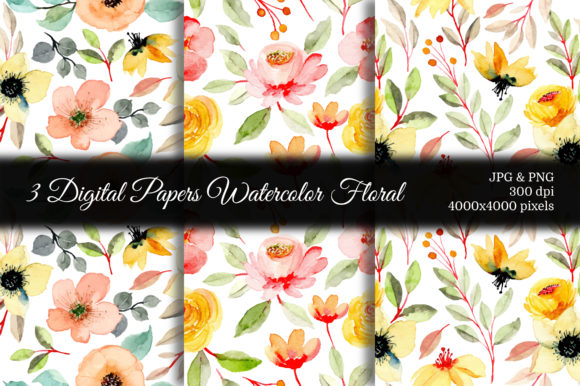
When sourcing digital assets for surface design, packaging, or web backgrounds, the technical specifications are often just as critical as the aesthetic appeal. Seamless Pattern Floral Watercolor 64 represents a specific tier of digital resource that balances artistic fluidity with rigorous production standards. Unlike generic stock textures, this collection is defined by its dual-format delivery and high-resolution architecture. For designers and creators comparing options, understanding the practical implications of receiving 4000×4000 pixel files at 300 dpi in both JPG and PNG formats is essential for determining workflow compatibility.
The distinction of Seamless Pattern Floral Watercolor 64 lies in its versatility across different media types. While many floral patterns exist in the marketplace, few offer immediate access to both white-background and transparent-background variations within the same package. This duality addresses two distinct design needs simultaneously: the requirement for a standalone background texture and the need for a compositional element that can be layered over existing color palettes. Evaluating this asset requires looking beyond the visual style to assess how these technical deliverables translate into real-world application efficiency.
Technical Specifications and Resolution Standards
The resolution of a seamless pattern dictates its viable use cases. Seamless Pattern Floral Watercolor 64 provides images at 4000×4000 pixels with a density of 300 dpi. In practical terms, this equates to a printable area of approximately 13.3 inches by 13.3 inches without upscaling. When comparing this to standard web-only patterns (often 72 dpi or 1500px), the difference in utility is significant. High-resolution assets allow for physical product manufacturing, such as textile printing, wallpaper production, and stationery design, where pixelation at close viewing distances is unacceptable.
However, higher resolution also introduces file size considerations. A 4000px watercolor file contains substantial data to preserve the subtle gradients and paper texture inherent to the medium. Users working exclusively in web environments or mobile app interfaces may find this specification excessive, potentially impacting load times if not optimized. Conversely, for print-on-demand sellers or packaging designers, this resolution is often the minimum acceptable threshold. The decision to utilize Seamless Pattern Floral Watercolor 64 should therefore hinge on whether your primary output is physical or digital. If your workflow involves large-format printing, this specification aligns with industry standards; if you are designing social media graphics, you may need to allocate time for downscaling.
JPG Versus PNG: Workflow Implications
The inclusion of three JPG images with white backgrounds alongside three PNG images with transparent backgrounds offers distinct advantages depending on the design software and end goal. JPG files are universally compatible and generally smaller in file size, making them ideal for quick mockups, client presentations, or applications where the background color is fixed. The white background serves as a neutral canvas, ensuring the watercolor pigments appear vibrant and true to the original scan.
In contrast, the PNG format with transparency is a specialized tool for composite design. Transparent seamless patterns are significantly more complex to produce than their opaque counterparts because the edges must blend perfectly without leaving halos or artifacts against variable background colors. Having Seamless Pattern Floral Watercolor 64 available in PNG format eliminates the need for manual masking or blending mode adjustments in Photoshop or Illustrator. This is particularly valuable when layering florals over dark modes, colored cardstock simulations, or branded color systems. When evaluating alternatives, verify whether they offer true transparency or merely a white background labeled as "transparent," as removing white from watercolor edges often degrades the delicate brushwork.
Comparative Analysis: Hand-Painted Versus Generated Florals
The market for floral seamless patterns is saturated with AI-generated imagery and vector-based illustrations. Seamless Pattern Floral Watercolor 64 occupies the niche of authentic watercolor digitization. Understanding the tradeoffs between these categories helps in selecting the right asset for your project's tone.
- Authenticity and Texture: Genuine watercolor scans retain paper grain, pigment bleeding, and brush stroke variance. AI and vector alternatives often produce cleaner, more uniform results but lack the organic imperfection that conveys craftsmanship. If your brand identity relies on artisanal quality, human-made watercolor assets typically outperform synthetic alternatives.
- Editability: Vector florals offer infinite scalability and color editing capabilities. Raster watercolor files like those in Seamless Pattern Floral Watercolor 64 are less malleable. Changing the hue of a scanned watercolor flower can result in muddy tones or loss of detail. If you anticipate needing frequent color variations, a raster watercolor set requires more advanced post-processing skills than a vector equivalent.
- Seamlessness Quality: Digital generation tools create mathematically perfect seams. Hand-painted patterns converted to digital seamless tiles sometimes exhibit visible repetition if not processed meticulously. When evaluating this collection, zoom in on the tile edges to ensure the transition maintains the natural flow of the watercolor wash rather than showing a hard digital cut.
Best-Fit Scenarios and Limitations
Seamless Pattern Floral Watercolor 64 is optimally suited for projects requiring a soft, romantic, or organic aesthetic with professional print fidelity. Ideal applications include wedding stationery suites, boutique cosmetic packaging, feminine hygiene branding, and seasonal textile collections. The 4000px resolution supports these use cases without requiring interpolation, preserving the integrity of the watercolor medium.
Conversely, this asset type may not be the optimal choice for corporate tech branding, minimalist UI design, or projects requiring neon or highly saturated fluorescent colors, which watercolor cannot naturally reproduce. Additionally, if your project demands a specific spot color match (Pantone), converting full-color RGB watercolor scans to spot channels is labor-intensive and often yields unsatisfactory results. In such cases, solid-color vectors or specifically designed spot-color patterns would be a more efficient alternative.
Evaluating Licensing and Commercial Viability
Beyond technical specs, the value of a digital pattern is determined by its licensing flexibility. When comparing Seamless Pattern Floral Watercolor 64 to other resources, scrutinize the usage rights regarding end products. Some licenses restrict usage to personal projects or require attribution, while others permit unlimited commercial reproduction. For designers creating products for resale—such as Etsy listings or retail packaging—confirming that the license covers "end products for sale" is non-negotiable.
Furthermore, consider the exclusivity factor. Widely available stock patterns carry the risk of appearing in competitor products. While Seamless Pattern Floral Watercolor 64 provides high-quality assets, it is part of a broader catalog. To mitigate similarity risks, evaluate how the pattern integrates with your unique typography, layout, and additional custom elements. Using the pattern as a foundational texture rather than the sole focal point often yields more distinctive results. Comparatively, commissioning a custom illustrator guarantees exclusivity but at a significantly higher cost and longer timeline. This digital collection serves as a middle ground: professional quality and immediate availability without the bespoke price tag.
Integration Into Modern Design Workflows
Efficiency in design is often about reducing friction. The provision of both JPG and PNG formats in Seamless Pattern Floral Watercolor 64 streamlines the transition between concepting and production. During the ideation phase, designers can quickly drop JPGs into mood boards or wireframes to test scale and density. As the project moves to final production, switching to the high-resolution PNG allows for precise compositing without re-sourcing or re-editing the asset.
For users of modern design tools like Figma, Canva, or Procreate, the 4000px size strikes a balance between performance and quality. Extremely large files (8000px+) can cause lag in browser-based tools, while small files pixelate upon export. This specific resolution sits in the operational sweet spot for most contemporary hybrid workflows. When assessing alternatives, test sample files in your primary software environment to ensure they perform adequately before committing to a purchase. Technical compatibility is as vital as visual alignment; a beautiful pattern that crashes your design software is ultimately counterproductive.
Ultimately, the decision to acquire Seamless Pattern Floral Watercolor 64 should be based on a holistic evaluation of your project requirements. It offers a robust solution for creators needing authentic watercolor aesthetics with professional-grade technical specifications. By weighing the benefits of dual-format delivery and high resolution against the limitations of raster editing and potential licensing constraints, designers can make an informed choice that supports both their creative vision and production realities. Whether used as a primary background or a subtle textural overlay, understanding the specific attributes of this asset ensures it serves as an effective component in a broader design strategy.