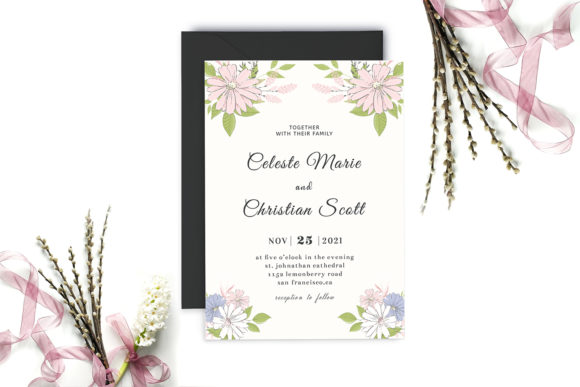
Watercolor Floral Wedding Invitation: Integrating Design Assets into Your Planning Workflow
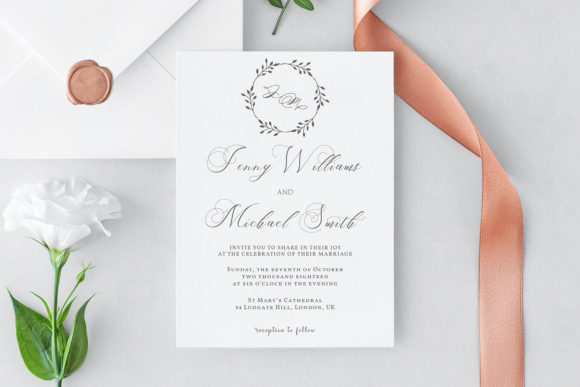
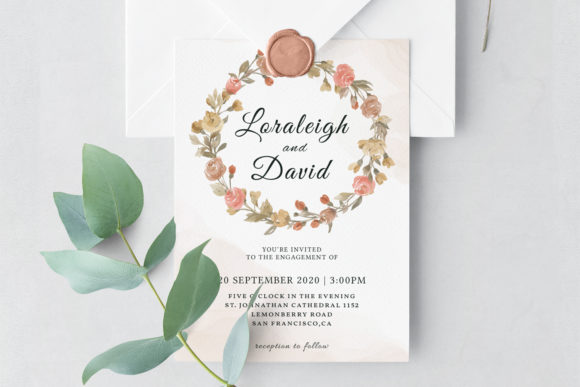
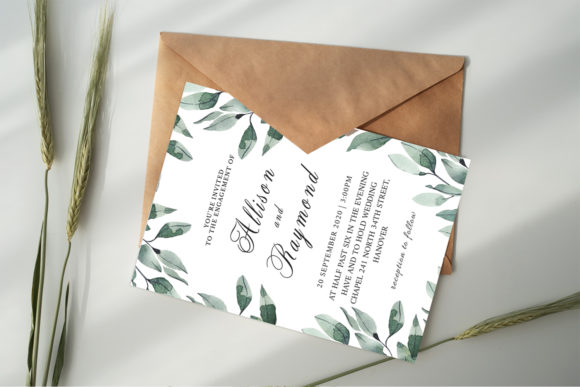
The selection of stationery is often the first tangible step in the wedding planning workflow, setting the visual tone for every subsequent decision. A Watercolor Floral Wedding Invitation serves as more than just an informational card; it acts as the primary design anchor for the entire event. When utilizing a high-quality Watercolor Floral Wedding Invitation Template, couples and designers can bridge the gap between abstract aesthetic concepts and physical execution. This specific asset category, characterized by minimalist styling and organic floral elements in blush pink, purple, and greenish tones, offers a versatile foundation suitable for rustic, vintage, or contemporary themes. Understanding how to integrate this template into your broader project management process ensures consistency, saves time, and maintains professional quality standards throughout the planning lifecycle.
Defining the Asset Within the Creative Process
In the context of creative project management, a Watercolor Floral Wedding Invitation is a modular design system rather than a static image. The template described here features organized layers where text, images, and shapes are clearly highlighted. This structural integrity is crucial for efficiency. For professionals, freelancers, or DIY planners treating their wedding as a managed project, this organization reduces friction during the editing phase. The inclusion of watercolor elements in soft hues provides a neutral yet textured background that accommodates various typography styles without visual conflict.
This asset fits into the pre-production phase of event planning. Before booking florists or selecting table linens, establishing a visual identity through the invitation allows for better vendor communication. By finalizing a Watercolor Floral Wedding Invitation early, you create a reference point for color matching and stylistic alignment. The minimalist nature of this specific design prevents it from competing with other branding elements, making it an ideal starting point for spring, summer, winter, country, vintage, or beach-themed workflows. Its adaptability means the core asset remains relevant even if secondary design decisions shift during the planning process.
Technical Specifications and Production Compatibility
Successful implementation of any digital design asset requires adherence to technical specifications to ensure print readiness. This Watercolor Floral Wedding Invitation Template is engineered for professional output, featuring specific parameters that streamline the handoff to print vendors:
- Dimensions: Standard 5 x 7 size, which aligns with industry-standard envelopes and postal regulations, reducing the need for custom sizing adjustments.
- Resolution: 300 DPI ensures crisp edges on watercolor textures and sharp typography, preventing pixelation in physical prints.
- Color Mode: CMYK configuration is essential for accurate color reproduction. Unlike RGB files designed for screens, CMYK ensures the blush pink and greenish tones render correctly on paper stock.
- Typography: Utilization of 100% free fonts eliminates licensing hurdles. With download links included in the zip folder, users avoid broken font links or substitution errors when opening files across different devices.
Verifying these specifications before beginning customization is a critical quality control step. While photos are not included, the template’s layout accounts for negative space, allowing users to insert personal imagery or leave it minimal based on their preference. This flexibility supports various content strategies, whether the goal is a photo-centric announcement or a purely typographic save-the-date.
Customization Workflow and Layer Management
Efficiency in design comes from understanding file architecture. Because every layer in this Watercolor Floral Wedding Invitation is well-organized and highlighted, the customization workflow becomes linear rather than chaotic. Users should approach editing systematically to maintain the integrity of the original design while personalizing the output.
Phase 1: Asset Preparation
Before opening the design software, gather all necessary content. This includes finalized guest list data, venue details, and selected photography. Having copy approved prior to design work prevents iterative revisions that disrupt the creative flow. Download the required free fonts from the provided zip folder and install them locally to ensure the text layers behave predictably.
Phase 2: Structural Editing
Navigate to the highlighted text layers first. Replace placeholder content with verified information. Because the template uses free, accessible typefaces, you can adjust tracking, leading, and size without worrying about proprietary font restrictions. If adapting the Watercolor Floral Wedding Invitation for a different season or theme, utilize the organized shape layers to tweak color balances. The existing blush, purple, and green palette works natively for spring and rustic themes but can be desaturated for winter or warmed for summer aesthetics through simple adjustment layers.
Phase 3: Visual Integration
If incorporating personal photos, use clipping masks within the designated image layers. This preserves the watercolor overlay effects and maintains the minimalist composition. Ensure inserted images match the 300 DPI resolution requirement to avoid degrading the overall file quality. The clean design structure guides placement, helping non-designers achieve balanced compositions without extensive trial and error.
Cross-Platform Application and Theme Versatility
A significant advantage of this Watercolor Floral Wedding Invitation Template is its interoperability with various event themes. In project management terms, this represents resource reusability. The same core asset can be adapted for multiple touchpoints within the wedding ecosystem without requiring new designs for each application.
For a Rustic or Country workflow, emphasize the greenish foliage elements and pair the invitation with kraft paper textures or wood accents. The watercolor style naturally complements organic materials, creating a cohesive tactile experience. For Vintage applications, leverage the blush pink tones and select serif typography from the included free font pack to evoke nostalgia while maintaining modern readability.
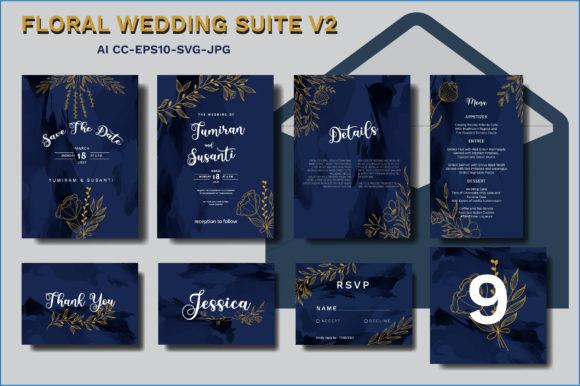
In Beach or Summer contexts, the minimalist aspect takes precedence. Reduce the opacity of floral elements to suggest airiness and light. The watercolor texture mimics the fluidity of coastal environments without resorting to cliché imagery. For Winter events, the purple undertones provide depth and sophistication. Pairing this palette with metallic foils or heavier cardstock transforms the delicate watercolor aesthetic into something substantial and seasonal. This versatility extends the value of the template beyond a single use case, supporting a unified brand identity across save-the-dates, programs, menus, and thank-you cards.
Quality Control and Vendor Handoff
The final stage of integrating a Watercolor Floral Wedding Invitation into your workflow is the validation and export process. Even with a professionally designed template, user modifications can introduce errors. Implement a checklist-based review system before sending files to production.
- Proofreading Protocol: Verify all dates, times, URLs, and names. Text layers in design files do not have spellcheck enabled by default in all software; manual verification is mandatory.
- Color Consistency Check: Confirm the document remains in CMYK mode. Accidental conversion to RGB during editing can alter how blush and purple tones print.
- Bleed and Safety Margins: Ensure critical text stays within safe zones. While the template is set to 5x7, verify that background watercolor elements extend sufficiently to accommodate trimming variations.
- Font Embedding: Although free fonts are used, always outline text or embed fonts when exporting PDFs for print to prevent substitution at the vendor’s facility.
Communicating effectively with print vendors is part of this workflow. Provide the printer with the specific paper stock choice early, as watercolor effects interact differently with matte, glossy, or textured papers. Requesting a physical proof is recommended to validate that the digital CMYK values translate accurately to the chosen substrate. This step mitigates risk and ensures the final product matches the digital vision established during the customization phase.
Long-Term Value and Digital Asset Management
Beyond the immediate wedding day, this Watercolor Floral Wedding Invitation Template serves as a reusable asset in your personal or professional archive. For entrepreneurs or creatives who may plan future events, launch products, or create content, the organized file structure provides a learning model for effective design hierarchy. Keeping the source files, along with the linked free fonts and documentation, creates a sustainable library of resources.
The skills developed through customizing this template—layer management, color theory application, and print preparation—are transferable to other creative workflows. Whether managing a small business brand refresh or designing marketing materials, the principles of clean organization and minimalist aesthetics remain applicable. By treating the Watercolor Floral Wedding Invitation not just as a disposable item but as a component of a larger design system, users maximize both the functional and educational value of the asset. This approach aligns with productivity-minded methodologies that prioritize sustainable, scalable, and high-quality outputs over one-off solutions.