Floral Pattern: Garden, Meadow Flowers and the Evolution of Botanical Design
The resurgence of biophilic design has fundamentally altered how we approach visual aesthetics in both digital and physical spaces. At the heart of this movement is the enduring appeal of the Floral Pattern. Garden, Meadow Flowers. aesthetic, which bridges the gap between nostalgic cottagecore charm and sophisticated modern minimalism. This specific style of botanical illustration moves beyond generic floral motifs to capture the organic, slightly wild essence of a cultivated garden meeting an untamed meadow. For designers, marketers, and creators, understanding the nuance of this trend is essential for producing work that resonates with contemporary audiences who crave authenticity alongside professional polish.
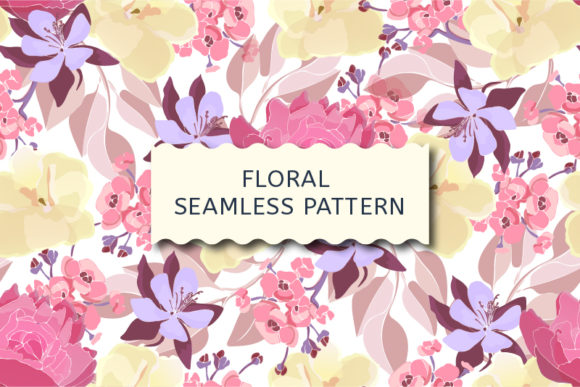
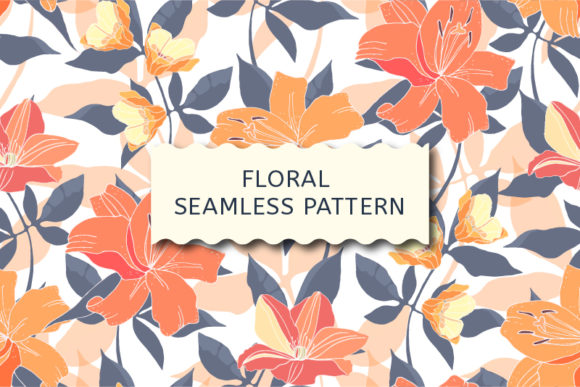
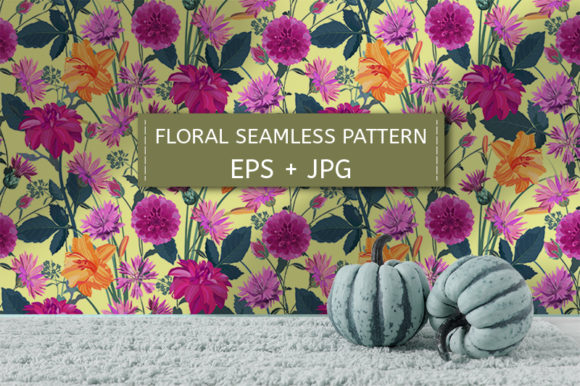
Current market preferences show a distinct shift away from hyper-saturated, artificial-looking digital art toward palettes that feel grounded and natural. A prime example of this evolution is the use of pink, orange, and purple cornflowers paired with dahlias and lilies, all anchored by cold green leaves against a light yellow background. This specific color temperature combination is not accidental; it mimics the natural lighting of a summer afternoon, creating a sense of warmth without overwhelming the viewer. The inclusion of "cold" greens provides necessary contrast, preventing the warm floral tones from appearing flat or overly sweet. This balance is what separates high-end surface pattern design from amateur clip art, making it suitable for premium applications ranging from interior textiles to boutique branding.
The Technical Advantage of Vector Seamless Patterns
In professional creative workflows, versatility is non-negotiable. The demand for art floral vector seamless patterns stems from the need for assets that can scale infinitely without losing fidelity. While raster images have their place in photography and web graphics, surface design relies heavily on vector mathematics. When working with complex botanical elements like the intricate petals of a dahlia or the delicate stamen of a lily, vectors ensure that every curve remains crisp whether printed on a small business card or a large-format wallpaper roll.
The industry standard for these assets remains the EPS 10 format. Despite newer file types emerging, EPS 10 maintains universal compatibility across decades of software versions, ensuring that a designer using Adobe Illustrator CC can collaborate seamlessly with a print shop running older infrastructure. Furthermore, the ability to import these vector files directly into Photoshop allows for hybrid workflows. Designers can manipulate individual floral elements, adjust layer opacity, or apply texture overlays while retaining the scalability of the underlying vector data. This flexibility is critical when adapting a single beautiful garden summer flowers concept for multiple deliverables, such as matching wrapping paper and tile backgrounds.
High-resolution raster backups remain a vital component of professional asset packages. A JPG file at 6000x4000 px serves as an immediate proofing tool and a ready-to-use texture for digital mockups where vector editing is unnecessary. This resolution strikes a practical balance, offering enough pixel density for detailed screen viewing and medium-sized prints while keeping file sizes manageable for cloud storage and client transfers. Providing both formats acknowledges the reality of modern design teams where speed and precision must coexist.
Color Psychology and Seasonal Relevance in Surface Design
The selection of flora in a pattern dictates its emotional impact and commercial viability. Pink, orange, and purple are not merely decorative choices; they represent a specific seasonal narrative. These hues evoke the peak of summer, suggesting abundance, vitality, and outdoor leisure. However, the application of these colors requires restraint to avoid visual fatigue. Isolating these vibrant blooms on a light yellow background acts as a neutralizer, providing breathing room that enhances readability and aesthetic longevity.
This approach aligns with current wellness-focused interior design trends. Consumers are increasingly seeking environments that reduce cognitive load. A busy, high-contrast pattern might work for a fleeting social media graphic, but it fails in residential or hospitality interiors where occupants spend extended periods. The softness of the light yellow base, combined with the organic spacing of meadow flowers, creates a restorative visual rhythm. This makes the pattern appropriate for diverse applications:
- Interior Textile: Upholstery and curtains benefit from the mid-scale repeat, which hides wear while maintaining visual interest.
- Wallpaper: The verticality of branches and stems helps elongate walls, while the warm palette prevents north-facing rooms from feeling sterile.
- Wrapping Paper: The seamless nature ensures no awkward cropping occurs during the printing or folding process.
- Tile Backgrounds: Ceramic and porcelain printing requires high contrast and clear definition, which vector lines provide effortlessly.
- Digital Paper: Scrapbookers and digital planners utilize these textures to add tactile depth to flat screens.
Adapting Botanical Assets for Modern Commercial Use
For entrepreneurs and business owners, licensing or creating floral assets is an investment in brand identity. The "meadow" aspect of this trend signals eco-consciousness and sustainability, values that are increasingly important to consumers aged 20–50. Unlike formal Victorian florals, meadow patterns suggest a connection to native ecosystems and pollinator-friendly gardening. This subtle association can enhance brand storytelling for companies in the beauty, wellness, food, and lifestyle sectors.
However, practical implementation requires attention to technical specifications. When preparing Floral Pattern. Garden, Meadow Flowers. designs for fabric production, one must account for dye absorption and material grain. Vectors allow designers to adjust stroke weights and color saturation specifically for different substrates. A design intended for silk may require thinner lines and softer gradients than the same design intended for heavy canvas or ceramic tile. The editability of the EPS source file enables these micro-adjustments without redrawing the entire composition.
Digital creators face different challenges. Screen calibration varies wildly across devices, meaning that "pink" on a designer’s monitor might appear magenta on a user’s phone. Using standardized color profiles and testing high-resolution JPG proofs across multiple displays is a best practice. Additionally, the rise of AI-generated imagery has created a saturation of botanically incorrect florals. Professional vectors distinguish themselves through anatomical accuracy and intentional composition. A dahlia drawn by a human artist respects the plant's growth structure, whereas algorithmic generations often produce impossible geometries. For brands building trust, this authenticity matters.
Navigating File Formats and Workflow Integration
Understanding the contents of a professional asset package is crucial for maximizing ROI. A typical delivery includes:
- 1 EPS 10 Vector File: The master source. Compatible with Adobe Illustrator, CorelDRAW, Affinity Designer, and Inkscape. Contains editable paths, layers, and swatches.
- 1 JPG Raster File (6000x4000 px): High-resolution preview and texture map. RGB color space for digital use, easily convertible to CMYK for print.
This dual-format approach supports agile workflows. Marketing teams can use the JPG for immediate social media content or website backgrounds while the product development team uses the EPS for manufacturing prototypes. There is no waiting period for file conversion or re-rendering. This efficiency is particularly valuable for seasonal campaigns where timing is everything. Summer floral collections must launch before the season peaks, and having production-ready assets accelerates time-to-market.
Furthermore, the isolation of elements on a light background facilitates easy extraction. Designers can quickly mask out the yellow background to place individual cornflowers or lilies onto new compositions. This modularity extends the value of a single pattern purchase exponentially. Instead of being locked into one repetitive layout, creators gain access to a library of coordinated botanical illustrations that can be rearranged, resized, and recolored to suit infinite project requirements.
Future-Proofing Design with Timeless Natural Motifs
Trends cycle rapidly, but botanical art possesses a unique resilience. While the specific styling of beautiful garden summer flowers may evolve, the fundamental appreciation for nature in design remains constant. Investing in high-quality, technically sound floral vectors is a strategy for long-term relevance. Unlike trendy abstract graphics that date quickly, well-executed meadow florals can be refreshed simply by adjusting colorways or scaling.
Educators and hobbyists also benefit from studying these patterns. Analyzing the construction of a seamless vector repeat teaches fundamental principles of tiling, negative space management, and color harmony. The interplay between the warm blooms and cold foliage demonstrates advanced color theory in practice. For those learning Adobe Illustrator or Photoshop, deconstructing an EPS 10 file provides invaluable insight into professional layer organization and path optimization.
Ultimately, the success of a Floral Pattern. Garden, Meadow Flowers. project lies in respecting both the artistic tradition and the technical demands of modern production. Whether used for a luxury textile line, a digital stationery suite, or a branded packaging campaign, the goal is to create a sensory experience that feels both fresh and familiar. By prioritizing anatomical accuracy, versatile file formats, and psychologically balanced color palettes, designers can create work that transcends temporary fads and establishes a lasting visual connection with their audience. The integration of pink, orange, and purple cornflowers with dahlias and lilies is more than a decorative choice; it is a calculated response to a market seeking beauty, functionality, and a tangible connection to the natural world.